
What Homeowners Should Know About Soil Compaction Before Any Project Starts
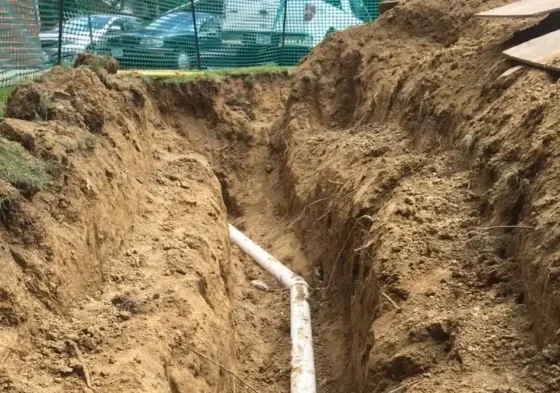
Water problems rarely appear overnight. Usually they build slowly as the yard’s layout funnels rain to the wrong spots. Over time, poor layout stresses soil, turf, and even nearby structures. Homeowners often notice trouble only after repeated storms—when the damage has already added up. How a yard is designed has a big influence on how water behaves year after year. Knowing those patterns helps protect your property and makes it easier to plan work with a landscaper Des Moines homeowners trust.
Why Yard Layout Controls Water Flow
Water follows gravity—every time it rains. The way your yard is shaped tells water where to go, both across the surface and down into the soil. Slopes, flat areas, and dips steer each storm, even light showers. When layout creates a clear path, water leaves the site quickly. When layout is confusing, water slows, spreads out, and settles where it can cause damage.
Small elevation changes matter more than most people realize. A shallow dip near a foundation will collect runoff from higher ground. Wide flat lawns hold water longer than sloped areas. Repeated saturation weakens soil, chokes roots, and thins turf. Over years those patterns become obvious and costly.
Many yards evolve without a plan. New planting beds, paths, fences, or play spaces interrupt existing flow. Each change nudges water movement a little more. Left uncoordinated, these changes compound drainage problems. Good layout work begins by watching how water enters your yard, how it moves during storms, and where it finally leaves.
Grading Decisions and Long Term Drainage Results
Grading is the backbone of good drainage. Correct slopes move water away from buildings and toward safe discharge areas. Poor grading lets water sit next to foundations or pushes runoff back toward the house.
Soil shifts change grading over time. Compaction reduces pore space. Fill settles unevenly. Areas that once sloped properly can flatten or even reverse. If grading isn’t done precisely at installation, those changes happen faster and with bigger consequences.
Long-term effects include foundation staining, soil erosion, and moisture intrusion. Lawns thin where water pools and roots suffocate. High-traffic spots turn muddy and uneven. Getting grading right during the initial work limits these outcomes—regrading after damage appears costs more and disrupts lawns, beds, and hardscapes.
Hardscapes and Drainage Interaction
Hard surfaces change how water moves across a yard. Patios, walkways, and retaining walls block absorption and speed surface runoff. The layout decides whether that runoff spreads safely or concentrates in risky places.
A wrong pitch can send water toward a building instead of away from it. Poor base preparation lets pavers settle, changing slope months or years later. Tight joints between pavers reduce infiltration and increase runoff during heavy rain.
Retaining walls need drainage behind them. Without proper relief, water pressure builds and shifts soil, eventually damaging the wall and nearby areas. Integrating hardscapes into the overall layout keeps flow patterns stable and lowers long-term maintenance needs.
Planting Layout and Soil Performance
Where you place plants influences drainage through roots, canopy, and soil interaction. Thoughtful planting helps water enter and move through the ground in healthier ways.
Root Systems and Water Movement
Tree and shrub roots create channels in the soil that improve infiltration and reduce surface runoff when plants are placed well. Poor placement—near foundations or in low spots—increases moisture where it causes problems. As roots grow they also move soil, which can change local grading over time.
Bed Design and Soil Health
Raised beds, when edged properly, guide runoff away from turf and structures. Weak edges let mulch and soil spill into lawns and block natural flow paths. Compacted soil under beds limits absorption and encourages runoff. Over time water bypasses these areas and collects downslope. Smart bed and plant layout supports stable soil and more even moisture distribution.
Drainage Features and Placement Strategy
Drainage systems only work as well as their placement. Surface drains, French drains, and swales perform best when they match grading, hardscapes, and planting zones.
Placement Over Products
Even the best materials fail when installed in the wrong spot. Drains set too high miss runoff. Drains too low collect sediment and clog. Outlets without enough slope can back up during long storms. Correct placement makes sure water reaches the system and leaves without restriction.
Common Layout Errors
Many systems are undersized for the yard or local rainfall. Others discharge too close to foundations or neighboring properties. Over time these mistakes reduce performance and create new problems. Proper layout ties drainage features into the whole yard design for reliable, long-term results.
Signs Yard Layout Is Hurting Drainage
Drainage problems often become obvious after routine rain. Standing water that lasts more than a day shows poor flow. Exposed roots and shifting soil signal erosion. Water stains on foundation walls point to grading failure. Lawns that feel spongy, with thinning grass in low spots, are another clear sign. Fixing these issues early limits structural damage and preserves usable outdoor space.
Protect Your Property With Professional Layout Planning
Most drainage problems trace back to layout choices made over time. Fixing them starts with a full yard evaluation. At Friend Landscaping, we design grading and drainage solutions that focus on lasting performance. Schedule a site assessment and protect your property with the Des Moines landscaper homeowners rely on.

Friend Landscaping, LLC has been providing exceptional landscaping services to residential and commercial customers throughout the Des Moines area since 2001. Locally owned and operated, Friend Landscaping, LLC can take any lawn and turn it into a work of art.
- (515) 201-8023
- Bill@friendlandscaping.com
- 4552 E 50th St Ste 200 Des Moines, IA 50317
Copyright © 2024. All rights reserved.