
Common Mistakes That Shorten the Life of Your Hardscaping
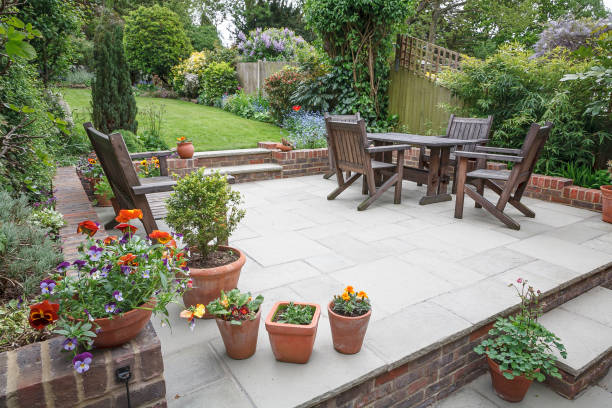
Many landscapers Des Moines homeowners hire know that hardscaping is a major investment. Patios, walkways, fire pits, and retaining walls are meant to last. But too often, avoidable mistakes lead to early damage and costly repairs. Whether you’re planning a new project or trying to protect an existing one, it’s important to know what to avoid. Let’s take a closer look at the common hardscaping mistakes, why they happen, and what you can do to prevent them.
Using Poor Base Preparation
Hardscaping is only as strong as its foundation. Many long-term problems start below the surface and aren’t visible until the damage is done.
Skipping Compaction or Using the Wrong Materials
One of the biggest and most common mistakes is poor base preparation. Some crews skip compaction altogether or use the wrong type of base material. Instead of compacted gravel, they might use soft dirt, construction debris, or uneven fill. These shortcuts lead to settling, shifting, and cracking.
Long-Term Effects and the Right Approach
Without a solid base, patios sink and become uneven. Pavers separate, causing trip hazards. Retaining walls lean, bulge, or collapse under pressure. These failures often show up months after installation.
The solution is to use crushed stone or gravel compacted in several thin layers. Each layer should be tamped with a plate compactor to remove air pockets and create stability. Proper grading is also essential so the structure sits level and drains correctly. This prep work adds time but protects your investment.
Ignoring Drainage Needs
Water can silently destroy hardscaping. It weakens the base, erodes materials, and causes damage during freeze-thaw cycles. Drainage mistakes are easy to overlook but have major long-term consequences.
Poor Planning for Water Flow
Many homeowners and even some contractors fail to plan for water movement. They install patios or walls with no slope, no weep holes, or no drainage path. This traps water beneath and behind structures. After rain or snowmelt, moisture gets stuck and begins to break down the foundation materials.
Simple Solutions for Lasting Results
Every hardscape feature needs a custom drainage plan. Patios should slope away from buildings to keep water from pooling. Retaining walls need gravel backfill and weep holes to let water escape. For yards with heavy runoff, French drains, dry wells, or regrading may be needed to redirect water. Skipping these elements increases the risk of erosion, frost damage, and premature failure.
A hardscape that manages water properly will hold its shape, resist shifting, and require fewer repairs. Don’t treat drainage as an afterthought. Make it a priority from the start.
Choosing the Wrong Materials for the Climate
Central Iowa weather can be harsh. Winters bring deep freezes and thaws. Summers bring heat and rain. These conditions test the strength and durability of any outdoor structure.
Some materials simply don’t belong in this region. Soft stones like sandstone or limestone absorb water and crack in cold weather. Low-quality concrete breaks down after a few seasons. Homeowners sometimes choose these materials for their appearance or lower cost, but they rarely last.
Instead, use materials that are proven to perform well in freeze-thaw climates. Concrete pavers rated for extreme weather work well. Natural stones like granite or bluestone resist water and wear. Bricks made for outdoor use also hold up better over time. Adding a quality sealer can also reduce moisture absorption and staining.
The right material choices depend on your specific site, design, and goals. Choose long-term performance over short-term savings. That decision will save money and frustration in the long run.
Poor Installation Practices
Even with the right materials and proper prep, poor installation can ruin a hardscape project.
Common Errors That Lead to Failure
- Uneven paver spacing
- Inconsistent or missing joint sand
- Crooked or shifting edges
- No edge restraints
- Gaps behind retaining walls
These mistakes may not be obvious at first, but they create weak points that grow over time. Without edge restraints, pavers spread. Without joint sand, surfaces loosen and allow weeds. Without backfill, walls lack support and begin to lean.
The Value of Skilled Labor
These problems usually stem from rushed work or lack of experience. Some crews cut corners to save time. Others lack the tools or training to complete each step correctly.
A professional crew follows a methodical process. They lay pavers with consistent spacing. They compact each layer. They install solid edge restraints and fill joints with polymeric sand. They backfill walls properly and check levels often. This attention to detail keeps surfaces stable and safe.
Skilled installation is as important as design and materials. It’s the difference between a surface that lasts decades and one that fails in a few years.
Neglecting Maintenance
Hardscaping is durable, but it still needs care. Ignoring upkeep allows minor issues to turn into expensive repairs.
Common Maintenance Mistakes
- Skipping paver resealing every few years
- Allowing weeds and moss to take root
- Letting dirt, salt, and debris build up
- Overlooking small cracks or loose pieces
Maintenance Tips to Preserve Your Hardscape
Routine maintenance prevents long-term damage. Here’s a basic checklist:
- Sweep surfaces weekly
- Rinse with water after storms or heavy use
- Pull weeds early before roots spread
- Refill joint sand annually
- Reseal pavers every 2 to 4 years depending on exposure
These tasks take little time but preserve your investment. If ignored, surfaces stain, shift, and weaken. Joints break down, and structural repairs become more likely.
For homeowners with limited time, hiring a maintenance team is a good move. A local lawn maintenance Des Moines provider familiar with hardscape care can handle seasonal upkeep, spot issues early, and keep your property looking its best.
Overloading Surfaces Beyond Their Design
Hardscape features are built for specific uses. Exceeding those limits causes damage fast.
Risks of Unplanned Weight and Pressure
A patio built for walking and dining can’t support vehicle weight. A retaining wall may fail if heavy furniture or hot tubs are added without proper design. These problems often arise after construction, when homeowners modify their yard without checking weight capacities.
Always share your full plan with the installer. If you’re planning a grill station, pergola, or hot tub, the crew can reinforce the base. If parking or driving is needed, the build should match those load requirements.
Overloading leads to cracks, sinking, or full structural failure. Avoid guesswork. Design each space with its purpose in mind.
When to Seek Professional Guidance
If you feel overwhelmed by the choices or the demands of Iowa’s climate, consider consulting a landscaping expert. Professional guidance can help you avoid costly mistakes and ensure your landscape not only survives but thrives.
At Friend Landscaping, we specialize in creating custom landscape designs tailored to Iowa’s unique environment. Our experience with Des Moines landscaping means we know exactly what plants will perform best in our area, and we can help you build an outdoor space you’ll love year-round. Contact us today at 515-201-8023 or Bill@friendlandscaping.com.

Friend Landscaping, LLC has been providing exceptional landscaping services to residential and commercial customers throughout the Des Moines area since 2001. Locally owned and operated, Friend Landscaping, LLC can take any lawn and turn it into a work of art.
- (515) 201-8023
- Bill@friendlandscaping.com
- 4552 E 50th St Ste 200 Des Moines, IA 50317
Copyright © 2024. All rights reserved.