
How to Prepare Your Landscape for Seasonal Transitions
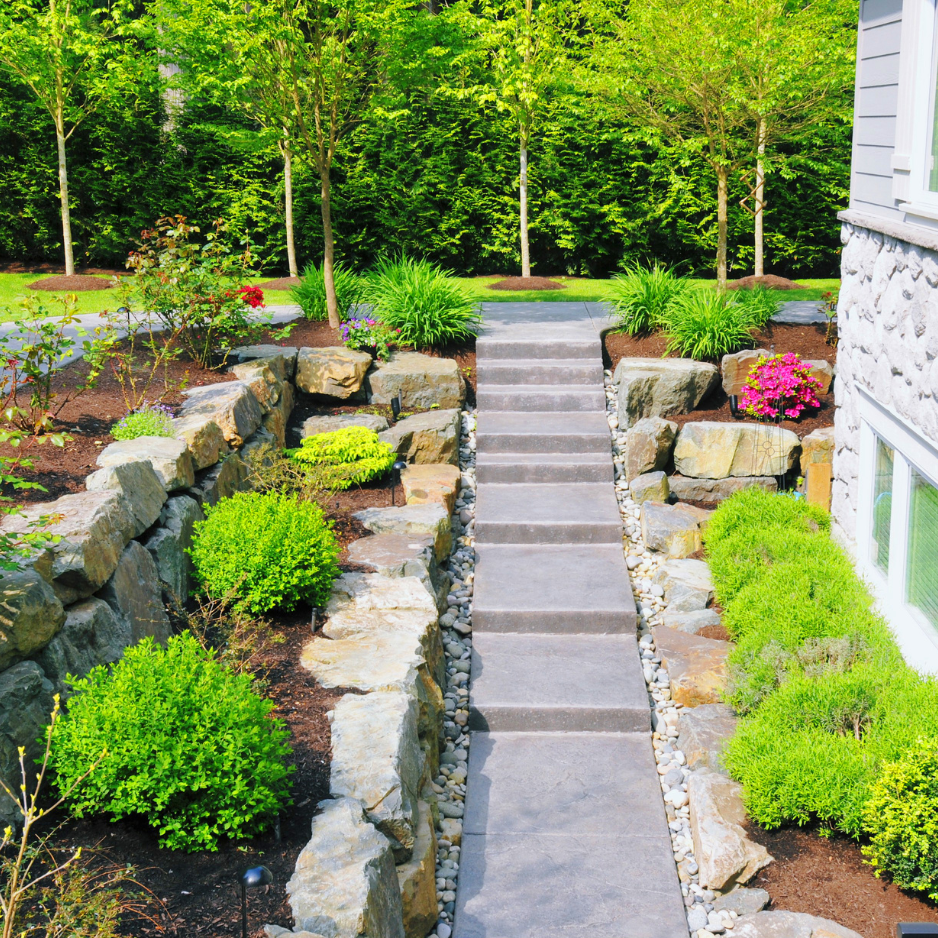
Iowa’s climate can be demanding on your landscape, with hot, humid summers, harsh winters, and unpredictable weather in between. Choosing plants that can handle these extremes is essential for a healthy, beautiful yard.
As a trusted Des Moines landscaping professional, we know that making the right plant choices will save you time, money, and frustration. In this blog, we’ll explore how to select plants that thrive in Iowa’s changing seasons, from understanding climate to creating year-round interest.
Understand Iowa’s Climate and Seasonal Extremes
Iowa experiences wide temperature swings throughout the year, from summer heat waves to winter deep freezes. These extremes can stress plants not suited to handle them. Average summer highs can reach the upper 80s, while winter lows regularly dip below zero.
Add to that unpredictable spring and fall weather, with sudden frosts or heavy rainfall, and you see why plant hardiness is so important.
Choosing plants rated for USDA Hardiness Zones 4 and 5 will help ensure they can survive Iowa’s seasonal challenges. Drought tolerance is also a factor, as summer dry spells are common. Always look for resilient varieties that can tolerate both heat and cold, along with occasional flooding or dry periods.
Choose Native and Adaptive Plants
Selecting native or well-adapted plants is one of the best strategies for a thriving Iowa landscape. Native species are naturally suited to the local environment, requiring less water, fertilizer, and maintenance. They also support local wildlife, including pollinators and birds.
Some reliable native perennials include coneflowers, black-eyed Susans, prairie dropseed, and butterfly milkweed. These plants not only survive Iowa’s seasonal swings but also add beauty and ecological benefits to your yard. You can also blend in adaptive non-native plants, like daylilies or sedums, which can handle the climate while adding variety.
Match Plants to Soil and Sun Conditions
Every landscape has its own micro-environments, with variations in sunlight, soil type, and moisture. Understanding these conditions is key to choosing the right plants. Iowa soils are often heavy with clay, which can hold moisture but may need amending for better drainage.
Soil and Drainage Considerations
Test your soil to know its pH and composition. If your soil is compacted, consider adding organic matter to improve aeration and drainage. Group plants with similar moisture and nutrient needs to make care easier.
Sunlight Exposure
Observe how much sunlight different areas of your yard receive throughout the day. Some plants thrive in full sun, while others prefer shade or partial shade. Matching plants to the right light conditions will give them a better chance to flourish.
Plan for Four-Season Interest
A great Iowa landscape looks beautiful year-round. Planning for seasonal interest can help ensure there is always something to enjoy, even in the depths of winter.
Evergreens and Winter Structure
Use evergreens to provide consistent color and structure during the winter months. Boxwood, juniper, and spruce are reliable options that withstand Iowa winters.
Perennials and Shrubs for Seasonal Color
Layer your landscape with perennials that bloom at different times, ensuring color from early spring to late fall. Include shrubs with interesting bark or berries for winter interest, such as red-twig dogwood or winterberry holly. Ornamental grasses can also add texture and movement year-round.
Sustainable Practices for Thriving Landscapes
Iowa’s unpredictable climate means sustainable practices are essential for long-term plant health. Here are a few key strategies:
- Mulching helps regulate soil temperature and moisture, protecting plant roots.
- Water-wise planting ensures you aren’t overwatering or stressing plants during dry periods.
- Pollinator support by choosing native flowers encourages biodiversity and a healthier ecosystem.
- Soil amendments can improve drainage and fertility, giving your plants a solid foundation.
By following these principles, you’ll build a healthier, more resilient landscape that can adapt to the challenges of Iowa weather.
When to Seek Professional Guidance
If you feel overwhelmed by the choices or the demands of Iowa’s climate, consider consulting a landscaping expert. Professional guidance can help you avoid costly mistakes and ensure your landscape not only survives but thrives.
At Friend Landscaping, we specialize in creating custom landscape designs tailored to Iowa’s unique environment. Our experience with Des Moines landscaping means we know exactly what plants will perform best in our area, and we can help you build an outdoor space you’ll love year-round. Contact us today at 515-201-8023 or Bill@friendlandscaping.com.

Friend Landscaping, LLC has been providing exceptional landscaping services to residential and commercial customers throughout the Des Moines area since 2001. Locally owned and operated, Friend Landscaping, LLC can take any lawn and turn it into a work of art.
- (515) 201-8023
- Bill@friendlandscaping.com
- 4552 E 50th St Ste 200 Des Moines, IA 50317
Copyright © 2024. All rights reserved.